
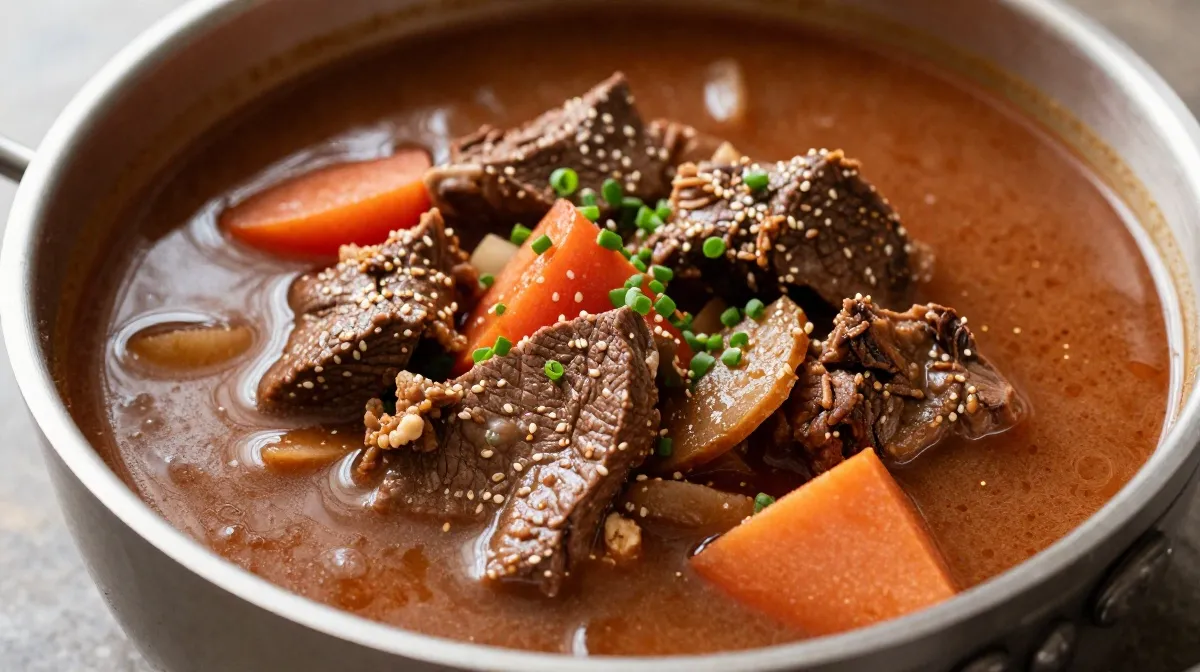
Easy Autumn Harvest Beef Stew Recipe
The first cold snap of the year always catches me off guard. One October, I walked outside in the same light jacket I’d been wearing for weeks and nearly turned around to go back for a real coat. That night, standing in my kitchen with frozen fingers wrapped around a mug of tea, I knew exactly what I needed to make: a big, bubbling pot of beef stew loaded with everything the fall harvest had to offer.
I didn’t have a recipe that night. I just started pulling things out of my fridge and pantry — a chunk of chuck roast I’d forgotten about, some carrots going a little soft, half a butternut squash, and a bag of pearl onions from who-knows-when. Three hours later, my whole apartment smelled like something out of a storybook, and my downstairs neighbor actually knocked on my door to ask what I was cooking.
That accidental pot of stew became my Autumn Harvest Beef Stew, and I’ve made it more times than I can count since then. It’s the kind of meal that turns a gray, chilly afternoon into something worth looking forward to.
Why You’ll Love This Recipe
- It’s mostly hands-off — after the initial browning, the oven (or your slow cooker) does the heavy lifting.
- One pot, minimal cleanup — my Dutch oven does double duty as the cooking vessel and the serving dish.
- Budget-friendly — chuck roast is one of the cheaper cuts, and it turns melt-in-your-mouth tender with a slow braise.
- Packed with real fall flavor — butternut squash, parsnips, and fresh thyme make this taste like the season itself.
- Freezer-friendly — I always make a double batch because it tastes even better the second day.
Ingredients You’ll Need
For the beef and browning:
- 2 ½ lbs beef chuck roast, cut into 1.5-inch cubes
- 3 tablespoons all-purpose flour (for coating)
- 1 teaspoon salt, plus more to taste
- ½ teaspoon black pepper
- 3 tablespoons olive oil, divided
Stew base:
- 1 large yellow onion, diced
- 4 cloves garlic, minced
- 3 tablespoons tomato paste
- ⅓ cup dry red wine (optional — you can substitute beef broth if you’d rather skip the alcohol)
- 5 cups beef broth (low sodium preferred)
- 2 bay leaves
- 4 sprigs fresh thyme (or 1 teaspoon dried)
- 1 tablespoon Worcestershire sauce
For the harvest vegetables:
- 3 medium carrots, cut into thick chunks
- 2 parsnips, peeled and cut into chunks
- 2 cups butternut squash, cubed
- 3 medium Yukon gold potatoes, cubed
- 1 cup pearl onions, peeled (frozen ones work great — no shame in that shortcut)
- 1 cup mushrooms, halved (cremini or button, your call)
To finish:
- 2 tablespoons butter
- Fresh parsley, chopped, for garnish
Substitution note: no butternut squash on hand? Sweet potato or even acorn squash works beautifully. If you’re out of chuck roast, brisket or short ribs make a great swap — just adjust cooking time slightly since short ribs can take a bit longer.

How To Make It?
- Season and coat the beef (5 minutes). Pat your beef cubes dry with paper towels — this matters more than you’d think for getting a good sear. Toss them in a bowl with the flour, salt, and pepper until evenly coated.
- Brown the beef in batches (10-12 minutes). Heat 2 tablespoons of olive oil in a large Dutch oven over medium-high heat. Add the beef in batches (don’t crowd the pan, or it’ll steam instead of sear). Brown each side for about 2-3 minutes until deeply golden. Set the beef aside on a plate.
- Build the flavor base (6-8 minutes). In the same pot, add the remaining oil if needed. Toss in the diced onion and cook until soft and translucent, about 5 minutes. Add the garlic and cook for another minute until fragrant — watch it closely here; burnt garlic will ruin the whole pot.
- Deepen the flavor (3-4 minutes). Stir in the tomato paste and cook it for 2 minutes, letting it caramelize slightly against the bottom of the pot. Pour in the red wine (if using) and scrape up all those browned bits stuck to the bottom — that’s where the flavor lives.
- Bring it all together (5 minutes). Return the beef to the pot along with any juices. Add the beef broth, bay leaves, thyme, and Worcestershire sauce. Stir well and bring to a gentle simmer.
- Braise low and slow (2 to 2.5 hours) Cover the pot and either transfer it to a 325°F oven or keep it on your stovetop over low heat. Let it simmer gently — you want small, lazy bubbles, not a rolling boil. Check every 30 minutes or so to make sure it’s not sticking.
- Add the harvest vegetables (45 minutes) Once the beef is fork-tender (it should practically fall apart when you nudge it), add the carrots, parsnips, butternut squash, potatoes, pearl onions, and mushrooms. Cover and continue cooking until the vegetables are tender but not mushy, about 40-45 minutes.
- Finish and serve (5 minutes): Remove the bay leaves and thyme sprigs. Stir in the butter for a silky finish. Taste and adjust the salt and pepper. Garnish with fresh parsley before serving.
Pro Tips & Tricks
- Don’t skip the sear. I tried rushing this step once by just dumping everything in together, and the flavor was noticeably flatter. That crust on the beef is doing a lot of work.
- Cut your vegetables in similarly sized chunks so everything cooks evenly. I learned this the hard way when my potatoes turned to mush while my carrots were still crunchy.
- Make it a day ahead. Stew always tastes better the next day once the flavors have had time to mingle in the fridge overnight.
- Freeze it flat. I portion cooled stew into freezer bags, lay them flat, and stack them like books. They thaw faster and take up way less space.
- Low and slow wins every time. If you’re impatient and crank the heat, the beef turns tough instead of tender. Trust the process.
Variations & Substitutions
If you want a heartier, deeper stew, try swapping half the beef broth for beef stock and adding a splash of balsamic vinegar near the end — it adds a subtle tang that plays beautifully against the sweetness of the squash.
For a gluten-free version, just swap the all-purpose flour for cornstarch or a gluten-free flour blend when coating the beef. Everything else in this recipe is naturally gluten-free.
Want it spicier? Add a diced jalapeño with the onions, or stir in a teaspoon of smoked paprika along with the thyme. It gives the stew a cozy, smoky warmth that’s especially nice on the really cold nights.
Serving Suggestions
This stew practically begs for a thick slice of crusty bread to mop up the broth. I usually go for a warm sourdough loaf or buttery dinner rolls.
It’s also fantastic ladled over creamy mashed potatoes or buttered egg noodles if you want to stretch the meal a little further. For gatherings, I’ll set the pot right in the middle of the table with a ladle and let everyone serve themselves — it feels communal in the best way.
This is my go-to dish for Sunday family dinners, chilly game-day get-togethers, or really any night when everyone could use a little comfort.
FAQs
How long does this stew last in the fridge?
Stored in an airtight container, it stays good for 3-4 days. Honestly, I think it tastes best on day two.
Can I make this in a slow cooker instead?
Absolutely. Brown the beef and sauté the aromatics on the stovetop first (don’t skip this part — it really matters), then transfer everything to your slow cooker. Cook on low for 7-8 hours, adding the harder vegetables in the last 2 hours.
Can I freeze Autumn Harvest Beef Stew?
Yes, it freezes wonderfully for up to 3 months. Just know that potatoes can get a little grainy after freezing, so some people prefer to leave them out and add fresh boiled potatoes when reheating.
What’s the best way to reheat leftovers?
Low and slow on the stovetop works best, stirring occasionally. If it’s thickened too much, add a splash of broth or water to loosen it back up.
My stew turned out watery. What went wrong?
This usually means it needs more time uncovered near the end to reduce, or you can whisk a tablespoon of cornstarch with cold water and stir it in to thicken things up.
Can I use a different cut of beef?
Chuck roast is ideal because the marbling breaks down beautifully during a long braise, but brisket or short ribs work well too. Avoid leaner cuts like sirloin — they tend to turn dry and tough with long cooking times.
Read More Recipes:
- Cinnamon Sugar Apple Cider Donut Loaf
- Apple Cider Glazed Pumpkin Muffins Recipe
- Brown Butter Apple Cider Cupcakes
- Apple Cider Cheesecake Muffins
- Apple Cider Pecan Bundt Cake
Final Thoughts
There’s something about a pot of this stew simmering away that makes a house feel like a home, especially once the weather turns cold. I hope it finds its way into your kitchen this fall and becomes one of those recipes you return to year after year.
If you give it a try, I’d love to hear how it turns out for you — and if you discover any happy accidents along the way, like I did that first chilly October night, don’t be shy about sharing them.


