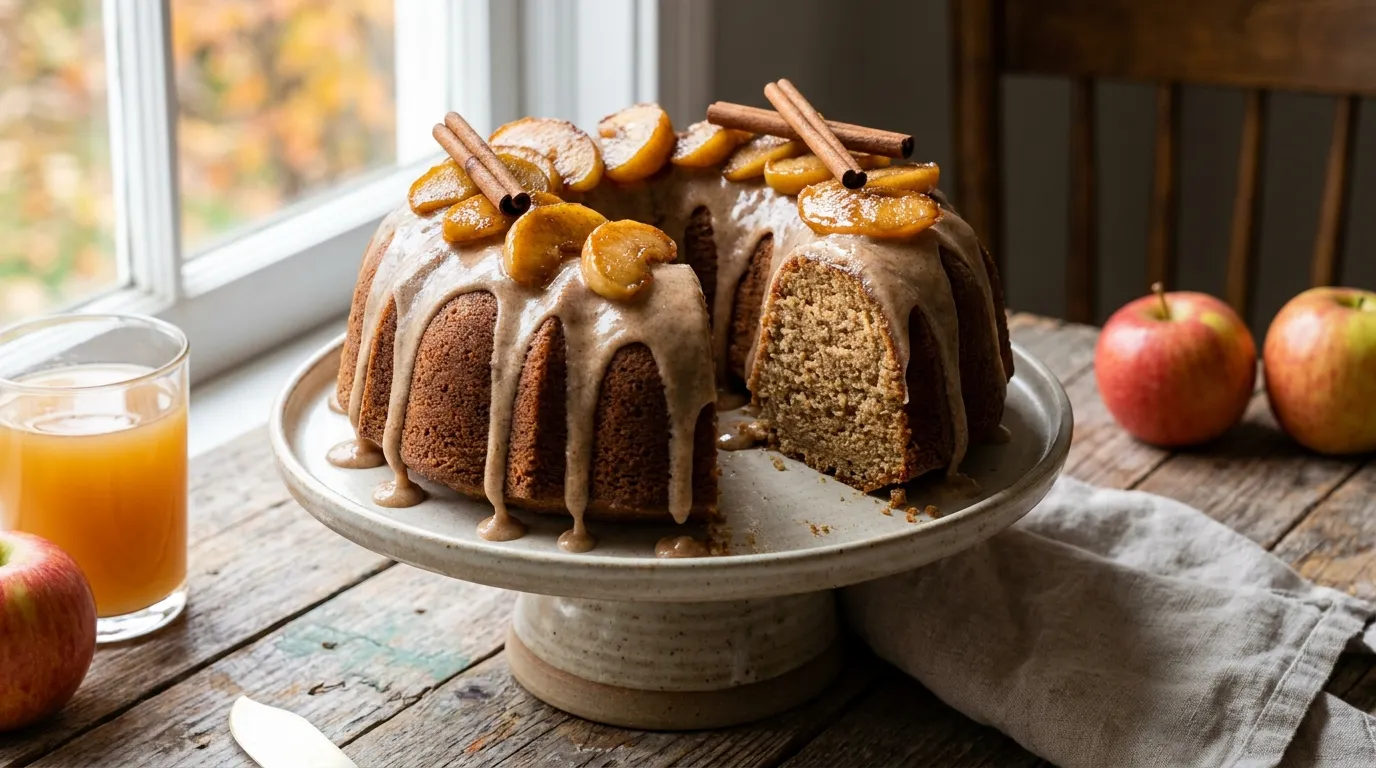
Apple Cider Bundt Cake with Cinnamon Glaze
My kitchen smelled like a candle store gone wrong the first time I attempted this cake. I’d reduced two cups of apple cider down to what I thought was a nice syrupy consistency, got distracted by a phone call from my sister, and came back to a pan of what could only be described as apple tar.
I scraped it out, cursed a little, and started over.
That’s the thing nobody tells you about baking with cider — it wants your full attention for about ten minutes, and if you give it that, it rewards you completely. My second attempt came out of the oven with a crackly top, a deep golden color, and a smell that pulled my husband out of his office asking what I was making.
We ate half the cake standing up at the counter before it even finished cooling. That’s when I knew this recipe was a keeper. Now it’s the cake I make every October when the air turns crisp, and honestly, I look forward to it the way some people look forward to pumpkin spice season.
This apple cider bundt cake isn’t just another fall dessert. The cider gets reduced down to a concentrated, almost caramel-like intensity, so every bite tastes like actual apples, not just cinnamon and sugar pretending to be apples. Then it gets draped in a cinnamon glaze that sinks into all those bundt ridges and hardens just slightly on top.
Why You’ll Love This Recipe
- The apple flavor is real, not fake. Reducing the cider concentrates its natural sweetness, so you’re not relying on artificial extracts.
- One bowl, one pan, minimal cleanup. No layers to stack, no frosting to pipe.
- It looks impressive without trying hard. A bundt pan does all the visual heavy lifting for you.
- It keeps beautifully. This cake actually tastes better on day two once the glaze soaks in.
- Budget-friendly ingredients. Everything here is pantry-staple stuff, minus the cider itself.
Ingredients You’ll Need
For the Cake:
- 2 cups apple cider (reduced down to about 2/3 cup — see instructions)
- 3 cups all-purpose flour
- 1 tablespoon baking powder
- 1 teaspoon baking soda
- 1/2 teaspoon salt
- 2 teaspoons ground cinnamon
- 1/2 teaspoon ground nutmeg
- 1 cup unsalted butter, softened
- 1 1/2 cups granulated sugar
- 1/2 cup brown sugar, packed
- 4 large eggs, room temperature
- 1 teaspoon vanilla extract
- 3/4 cup sour cream (full-fat gives the best texture; you can substitute plain Greek yogurt in a pinch)
- 1 cup peeled, finely diced apple (Honeycrisp or Granny Smith both work — Granny Smith adds a little tartness)
For the Cinnamon Glaze:
- 1 1/2 cups powdered sugar
- 1/4 cup reduced apple cider (save some back from the cake batch)
- 1/2 teaspoon ground cinnamon
- 1 tablespoon melted butter
- Pinch of salt
Substitution notes: If you can’t find apple cider, apple juice works, but simmer it a bit longer since it’s thinner and less concentrated. No sour cream on hand? Full-fat plain yogurt is a solid stand-in.
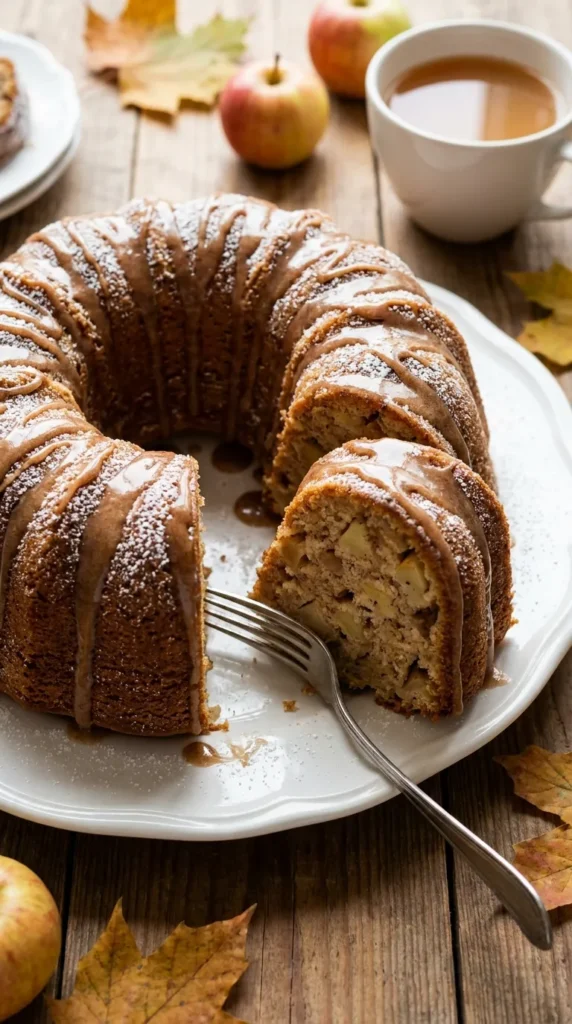
Step-by-Step Instructions
Step 1: Reduce the cider (about 15-20 minutes)
Pour the apple cider into a small saucepan and bring it to a gentle boil over medium heat. Let it simmer, stirring occasionally, until it reduces to about 2/3 cup. It should look slightly syrupy and smell intensely of apples. Watch it closely in the last 5 minutes — it goes from “not reduced enough” to “burnt candy” faster than you’d expect. Set aside to cool slightly.
Step 2: Prep your pan and oven (5 minutes)
Preheat your oven to 350°F. Grease a 10-cup bundt pan generously with butter, then dust with flour, tapping out the excess. Don’t skip this step or skimp on it — bundt pans are notorious for sticking, and you’ll want every ridge coated.
Step 3: Mix the dry ingredients (2 minutes)
In a medium bowl, whisk together the flour, baking powder, baking soda, salt, cinnamon, and nutmeg. Set aside.
Step 4: Cream the butter and sugars (3-4 minutes)
In a stand mixer fitted with the paddle attachment (or using a hand mixer), beat the softened butter with the granulated and brown sugar until light and fluffy — about 3 minutes. It should look pale and almost whipped.
Step 5: Add eggs and wet ingredients (2 minutes)
Beat in the eggs one at a time, letting each fully incorporate before adding the next. Mix in the vanilla, sour cream, and your cooled reduced cider (reserve the 1/4 cup for the glaze first).
Step 6: Combine wet and dry (2-3 minutes)
Add the dry ingredients to the wet mixture in two batches, mixing on low speed just until combined. Overmixing here will make your cake tough, so stop as soon as you don’t see streaks of flour. Fold in the diced apples by hand with a spatula.
Step 7: Bake (50-60 minutes)
Pour the batter into your prepared bundt pan and smooth the top. Bake for 50-60 minutes, until a toothpick inserted into the center comes out clean or with just a few moist crumbs. The top should spring back gently when touched.
Step 8: Cool completely (about 1 hour)
Let the cake cool in the pan for 15 minutes, then invert it onto a wire rack. This part matters — if you flip it too soon, it can crack; too late, and it might stick. Let it cool completely before glazing, or the glaze will just slide right off.
Step 9: Make and apply the glaze (5 minutes)
Whisk together the powdered sugar, reserved reduced cider, cinnamon, melted butter, and salt until smooth. It should be pourable but not watery — think honey consistency. Drizzle over the cooled cake, letting it drip down the sides and into the ridges.
Pro Tips & Tricks
- Don’t walk away from the cider reduction. I learned this the hard way. Stay in the kitchen or set a timer to check it every few minutes.
- Room temperature eggs matter more than you’d think. Cold eggs can cause the batter to look curdled and affect the cake’s rise.
- Grease the pan like you mean it. Get into every groove with a pastry brush if you have one — it makes unmolding so much easier.
- This cake freezes beautifully unglazed. Wrap it tightly in plastic wrap, then foil, and it’ll keep for up to 3 months. Glaze it after thawing.
- Make it a day ahead. The flavors deepen overnight, and the texture gets even more tender.
Variations & Substitutions
If you want a boozier version, swap two tablespoons of the reduced cider in the glaze for spiced rum or bourbon. It adds a warm, grown-up edge that’s lovely for a dinner party.
For a gluten-free version, a 1:1 gluten-free flour blend works well here — I’ve tested it with Bob’s Red Mill and the texture held up nicely, just slightly denser.
Want more spice? Add a pinch of ground cloves and cardamom to the batter along with the cinnamon and nutmeg. It leans more into chai territory, which is fantastic around the holidays.
Serving Suggestions
This cake is perfect with a hot cup of coffee or chai on a cool afternoon. I love serving it slightly warm with a small scoop of vanilla ice cream melting into the glaze.
It’s also a great addition to a Thanksgiving dessert table, since it’s less rich than pie but still feels festive and seasonal. Bring it to a potluck, and you likely won’t be bringing much home.
FAQs
Can I make this cake ahead of time?
Yes, and honestly it tastes better the next day. Bake it a day in advance, store it covered at room temperature, and glaze it right before serving.
How do I store leftovers?
Keep the glazed cake covered at room temperature for up to 3 days, or in the fridge for up to a week. Let refrigerated slices come to room temp before eating for the best texture.
Can I freeze this cake?
Absolutely. Freeze the unglazed cake wrapped tightly in plastic wrap and foil for up to 3 months. Thaw overnight in the fridge, then glaze before serving.
My cake stuck to the pan. What went wrong?
Usually this means the pan wasn’t greased thoroughly enough, or the cake cooled too long before being inverted. Grease every ridge generously and flip it out around the 15-minute mark.
Can I use apple juice instead of cider?
Yes, though cider has a richer, more complex apple flavor. If using juice, you may need to simmer it a few extra minutes since it’s thinner.
Why did my cake sink in the middle?
This usually happens from overmixing the batter or opening the oven door too early. Try not to peek until at least the 45-minute mark.
Read More Recipes:
- Gluten-Free Apple Cider Loaf
- Warm Spiced Apple Cider Coffee Cake
- Easy Apple Cider Donut Bread
- Homemade Classic Apple Cider Cake
- Apple Cider Glazed Loaf Cake
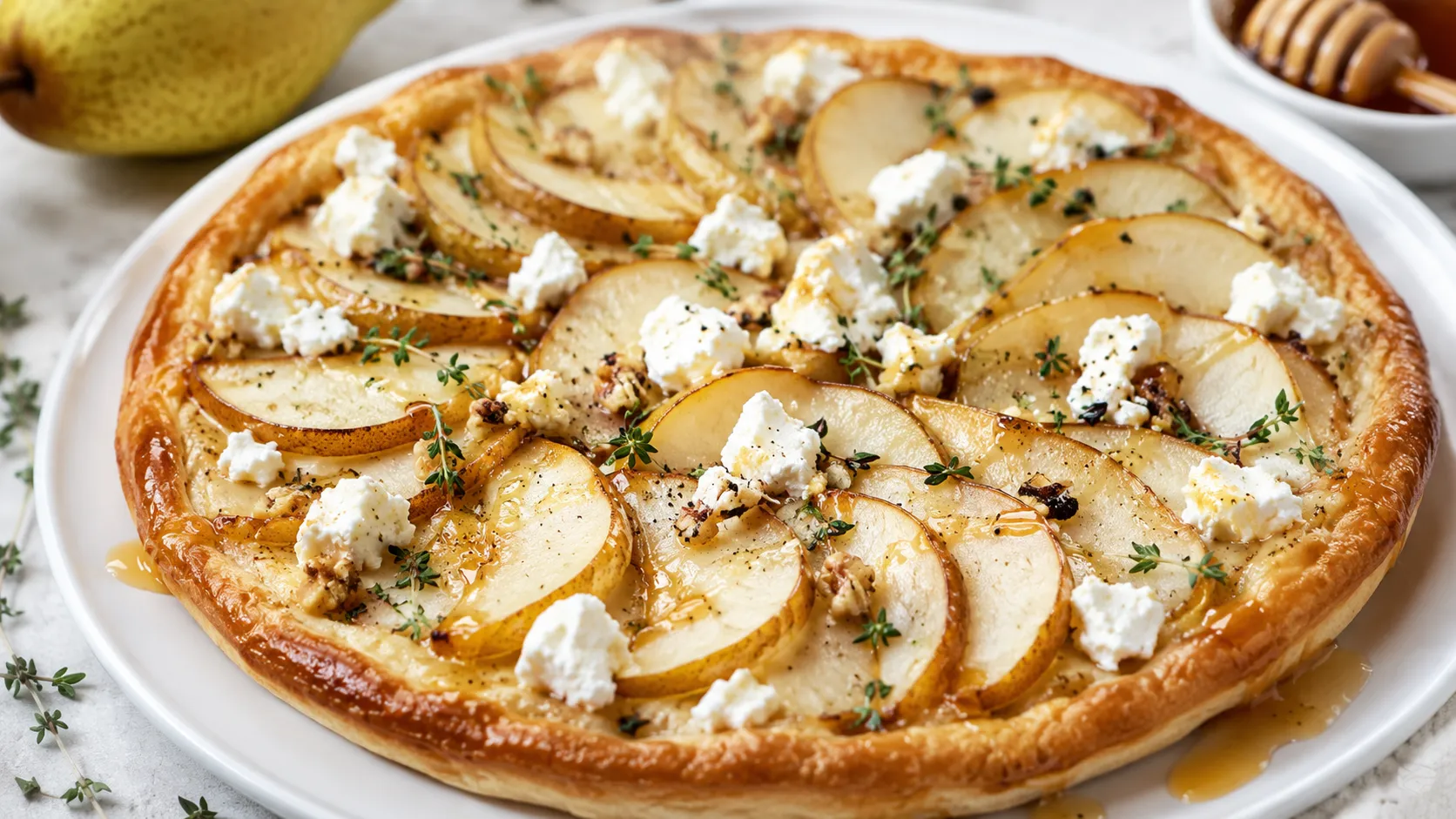
- Easy Pear Tart with Goat Cheese and Honey
Give It a Try
This apple cider bundt cake has become one of those recipes I make without even glancing at the card anymore, and I hope it earns a spot in your fall baking rotation too.
If you make it, I’d love to hear how it turns out — whether you added a splash of bourbon to the glaze or discovered your own happy accident along the way. Drop a comment and let me know.
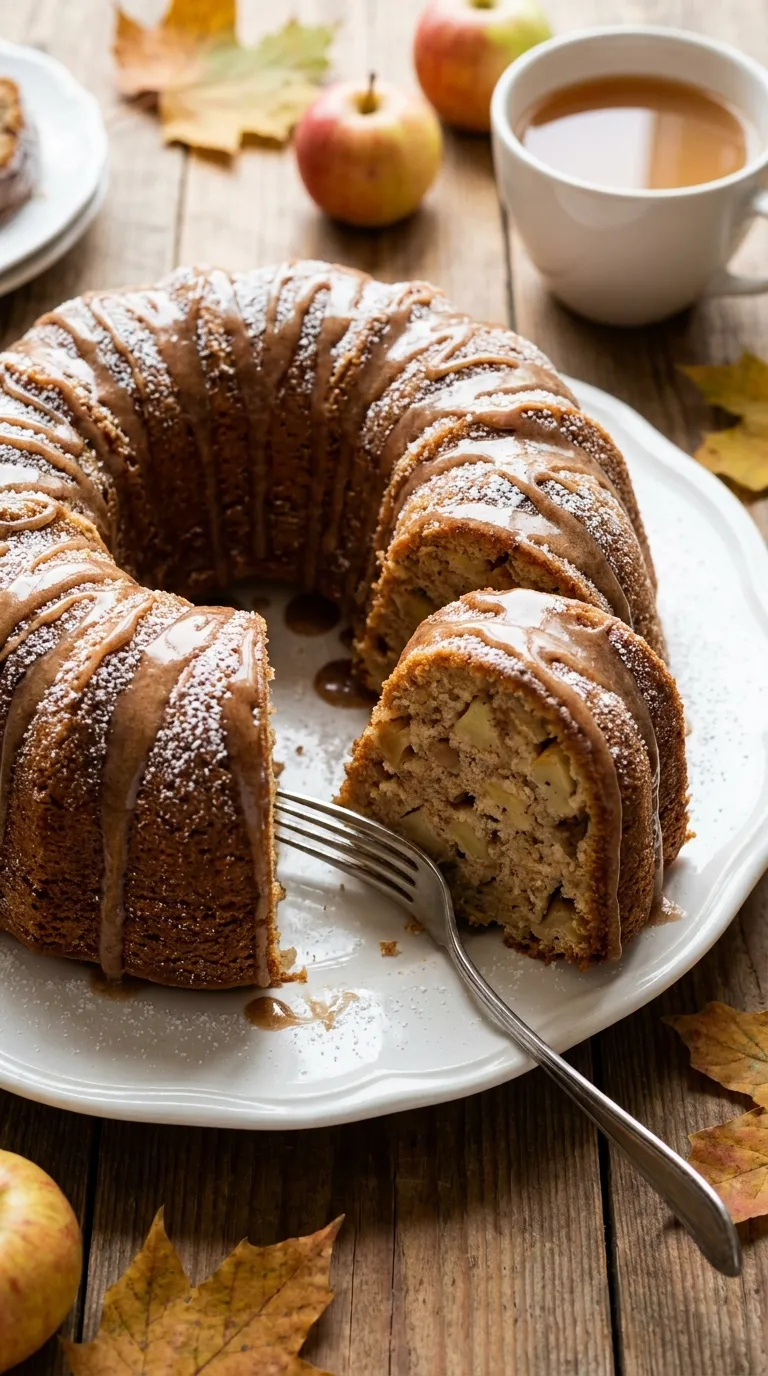

Apple Cider Bundt Cake with Cinnamon Glaze
Ingredients
Method
- Preheat the oven to 350°F (175°C) and generously grease and flour a 10- or 12-cup Bundt pan.
- Whisk together flour, baking powder, baking soda, salt, cinnamon, and nutmeg.
- Beat the softened butter, granulated sugar, and brown sugar until light and fluffy.
- Add the eggs one at a time, mixing well after each addition.
- Stir in the vanilla extract.
- Add the dry ingredients alternately with the apple cider and sour cream, beginning and ending with the dry ingredients.
- Gently fold the diced apple into the batter.
- Pour the batter evenly into the prepared Bundt pan and smooth the top.
- Bake for 48–55 minutes, or until a toothpick inserted into the thickest part comes out clean.
- Let the cake cool in the pan for 10–15 minutes, then carefully invert it onto a wire rack.
- Allow the cake to cool completely before glazing.
- Whisk powdered sugar, apple cider, cinnamon, and vanilla until smooth.
- Drizzle the cinnamon glaze generously over the cooled Bundt cake.
- Let the glaze set briefly before slicing and serving.
Notes
- Use fresh apple cider rather than apple juice for the richest apple flavor.
- Grease every detail of the Bundt pan thoroughly to prevent sticking.
- Honeycrisp, Gala, or Granny Smith apples work well in this recipe.
- Do not overmix the batter after adding the flour to keep the cake tender.
- For a stronger cider flavor, reduce the apple cider slightly before adding it to the batter and allow it to cool first.
- Let the cake cool completely before adding the glaze.
- Store covered at room temperature for up to 3 days or refrigerate for up to 5 days.
- Freeze the unglazed cake tightly wrapped for up to 2 months.
DID YOU MAKE THIS EASY RECIPE?
If you have, then share it with us by sending a photo. We’re excited to see what you've made:-)Printable Recipe Card
Want just the essential recipe details without scrolling through the article? Get our printable recipe card with just the ingredients and instructions.