
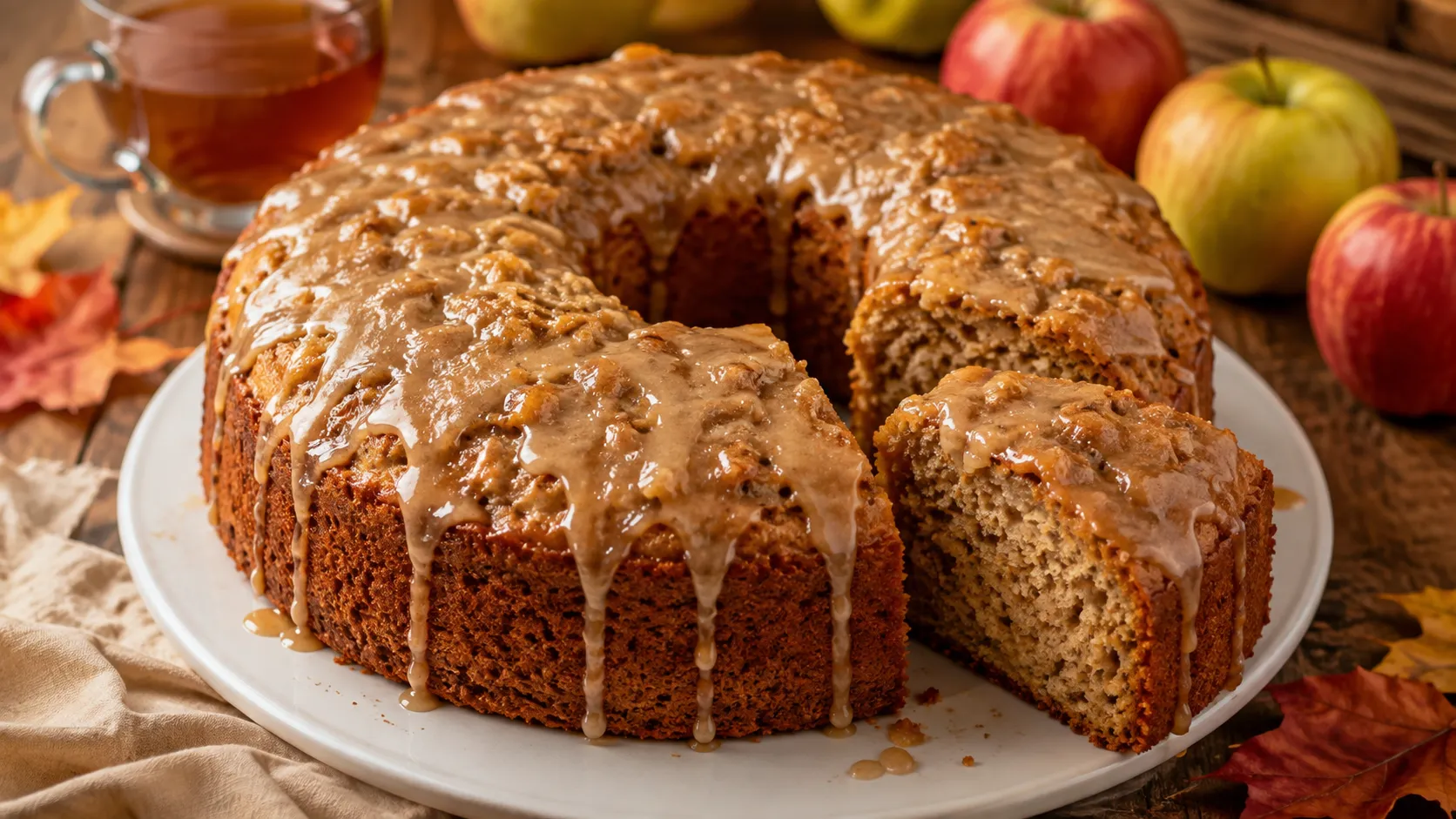
Homemade Classic Apple Cider Cake
The first time I made apple cider cake, I wasn’t even trying to make apple cider cake. I had half a jug of cider going warm in the fridge, a bag of apples nobody in my house was eating fast enough, and a Sunday afternoon with absolutely nothing on the calendar. I figured I’d boil the cider down a little, toss it in a basic cake batter, and see what happened.
What happened was my husband walked into the kitchen, stopped dead, and asked what I was baking that smelled “like a candle store, but good.” That cake didn’t last until dinner. It didn’t even last until my kids got home from soccer practice.
Since then, this apple cider cake has become the thing I bake the second the air turns crisp. It’s not fussy, it’s not fancy, and it doesn’t ask you to be a pastry chef. It just asks you to reduce a little cider, stir a few bowls together, and let your oven do the rest. If you’ve got a Bundt pan collecting dust in your cabinet, this is its moment to shine again.
Why You’ll Love This Recipe
- It’s a one-bowl-adjacent recipe. No stand mixer required, no fancy technique, just a couple of bowls and a whisk.
- The flavor is deep, not just “apple-scented.” Reducing the cider concentrates all that sweet, tangy apple flavor instead of just adding liquid.
- It’s incredibly forgiving. Overmix it a little, underbake it a touch — it still comes out moist and delicious.
- It keeps beautifully. This cake actually tastes better on day two, which makes it a great make-ahead dessert for gatherings.
- It’s budget-friendly. Pantry staples plus one jug of cider, and you’ve got a cake that looks like it came from a bakery.
Ingredients You’ll Need
For the cider reduction:
- 2 cups apple cider (not apple juice — cider has that deeper, more tart flavor)
For the dry ingredients:
- 2 ½ cups all-purpose flour
- 2 teaspoons baking powder
- ½ teaspoon baking soda
- 1 teaspoon ground cinnamon
- ½ teaspoon ground nutmeg
- ¼ teaspoon ground cloves (optional, but I love the warmth it adds)
- ½ teaspoon salt
For the wet ingredients:
- ¾ cup unsalted butter, softened (1 ½ sticks)
- 1 cup light brown sugar, packed
- ½ cup granulated sugar
- 3 large eggs, room temperature
- 1 teaspoon vanilla extract
- ½ cup sour cream or plain Greek yogurt (sour cream gives a richer crumb, but yogurt works fine if that’s what’s in your fridge)
For the glaze (optional but honestly non-negotiable in my house):
- 1 cup powdered sugar
- 2–3 tablespoons of the reduced cider (the leftover bit from your reduction)
- A pinch of cinnamon
Substitution note: If you can’t find fresh apple cider, a good-quality unfiltered apple juice will work in a pinch, though the flavor won’t be quite as rich. Just simmer it a bit longer to concentrate the sweetness.

Step-by-Step Instructions
- Reduce your cider (15–20 minutes). Pour the apple cider into a small saucepan and bring it to a gentle boil over medium heat. Let it simmer, stirring occasionally, until it reduces down to about ¾ cup. It should look slightly syrupy and smell intensely like apples. Set it aside to cool while you prep everything else — pouring hot reduction into your batter will scramble your eggs, and nobody wants that.
- Preheat and prep your pan (5 minutes). Preheat your oven to 350°F (175°C). Grease a 10-cup Bundt pan generously with butter, then dust it with flour, tapping out the excess. If you’ve ever had a cake stick and break apart trying to get it out, you know why this step matters — don’t skip it.
- Whisk your dry ingredients (5 minutes). In a medium bowl, whisk together the flour, baking powder, baking soda, cinnamon, nutmeg, cloves, and salt. Set this aside.
- Cream the butter and sugars (3–4 minutes). In a large bowl, using a hand mixer or stand mixer fitted with the paddle attachment, beat the softened butter with both sugars until it’s light, fluffy, and noticeably paler in color — about 3 minutes. This step builds air into your cake, so don’t rush it.
- Add the eggs and vanilla (2 minutes). Add the eggs one at a time, beating well after each addition. Mix in the vanilla extract. The batter should look smooth and glossy at this point.
- Bring it all together (3–5 minutes). With the mixer on low, alternate adding the dry ingredient mixture and the sour cream, starting and ending with the dry ingredients (dry, sour cream, dry, sour cream, dry). Once mostly combined, pour in your cooled cider reduction (save a couple tablespoons for the glaze) and mix just until no streaks of flour remain. The batter will look thick, glossy, and speckled with cinnamon.
- Bake (50–60 minutes). Pour the batter into your prepared Bundt pan and smooth the top. Bake for 50 to 60 minutes, until a toothpick inserted into the center comes out clean or with just a few moist crumbs. Your kitchen should smell like a candle shop right around the 40-minute mark — that’s a good sign.
- Cool the cake (20 minutes). Let the cake cool in the pan for 15 to 20 minutes before flipping it out onto a wire rack. This resting time matters — flip it too early and it can crack; wait too long, and it might stick.
- Glaze it (5 minutes): Once the cake is fully cool, whisk together the powdered sugar, reserved cider reduction, and a pinch of cinnamon until smooth and pourable. Drizzle it generously over the top, letting it drip down the sides.
Pro Tips & Tricks
- Don’t skip the reduction. I tried skipping this step once when I was in a hurry, just dumping raw cider into the batter. The cake turned out fine, but it tasted like a regular spice cake with a faint apple hint. Reducing the cider is what gives this cake its real identity.
- Room temperature eggs matter more than you’d think. Cold eggs can cause your butter mixture to seize up and look curdled. Set them out an hour before baking, or drop them in a bowl of warm water for 5 minutes if you forget.
- Check doneness a few minutes early. Bundt pans vary, and ovens run differently. Start checking at the 48-minute mark so you don’t overbake it.
- Store it right. Keep the cake covered at room temperature for up to 3 days, or in the fridge for up to a week. Let refrigerated slices come to room temp before serving — the crumb softens back up beautifully.
- Make it ahead. This cake genuinely tastes better the next day, once the spices have had time to settle in. It’s one of the rare desserts I actually prefer making the day before a gathering.
Variations & Substitutions
If you want a spiced-up version, add a ¼ teaspoon of ground ginger and a pinch of allspice along with the cinnamon and nutmeg — it leans more into that mulled-cider flavor.
For a nutty twist, fold in ¾ cup of chopped toasted pecans or walnuts right before pouring the batter into the pan. The crunch against the soft crumb is wonderful.
Need a dairy-free version? Swap the butter for a plant-based butter stick and the sour cream for a full-fat coconut yogurt. It won’t taste identical, but it’s still a genuinely good cake.
Serving Suggestions
This cake is perfect on its own with a cup of coffee or hot tea, but a small scoop of vanilla ice cream or a dollop of lightly sweetened whipped cream turns it into a proper dessert. It’s the cake I bring to fall potlucks, Thanksgiving dessert tables, and lazy Sunday breakfasts alike — it really does fit anywhere between breakfast and dessert.
FAQs
Can I use apple juice instead of apple cider?
Yes, though the flavor will be milder and sweeter since cider has more tartness and complexity. If using juice, simmer it a bit longer to help concentrate the flavor before adding it to your batter.
How do I store leftover apple cider cake?
Keep it covered at room temperature for up to 3 days, or refrigerate for up to a week. The glaze holds up well either way.
Can I freeze this cake?
Absolutely. Wrap the unglazed cake tightly in plastic wrap, then foil, and freeze for up to 3 months. Thaw overnight in the fridge and add the glaze fresh before serving.
Can I make this cake ahead of time?
Yes, and honestly I recommend it. Bake it a day before you plan to serve it — the flavors deepen overnight, and it’s one less thing to worry about on the day of your gathering.
Why did my cake sink in the middle?
This usually means it was underbaked, or the oven door was opened too early during baking. Give it the full bake time and resist peeking before the 45-minute mark.
Can I make this in a regular cake pan instead of a Bundt pan?
Yes. Use two 9-inch round pans or a 9×13 pan, and reduce the baking time to around 35–40 minutes, checking for doneness with a toothpick.
Read More Recipes:
- Apple Cider Glazed Loaf Cake
- Easy Pear Tart with Goat Cheese and Honey
- Brown Butter Texas Sheet Cake
- Easy Paleo Pecan Pie Bars
- Delicious Chewy Pecan Pie Bars Recipe
Final Thoughts
There’s something about this cake that feels like it belongs to autumn specifically — the smell of it baking, the way the glaze sinks into all those Bundt pan grooves, the fact that it’s just as good with a Tuesday afternoon coffee as it is on a holiday dessert table.
If you make it, I’d love to know how it turns out in your kitchen. Tweak the spices, add the nuts, double the glaze if you’re like me and think glaze is the best part — make it yours. That’s really what this cake is for.


Homemade Classic Apple Cider Cake
Ingredients
Method
- Preheat the oven to 350°F (175°C) and grease a 9-inch round cake pan.
- Whisk together flour, baking powder, baking soda, salt, cinnamon, and nutmeg.
- Beat the softened butter, granulated sugar, and brown sugar until light and fluffy.
- Add the eggs one at a time, mixing well after each addition.
- Mix in the vanilla extract and applesauce.
- Add the dry ingredients alternately with the apple cider, beginning and ending with the dry ingredients.
- Fold the diced apple gently into the batter.
- Pour the batter into the prepared cake pan and smooth the top.
- Combine the cinnamon and sugar for the topping and sprinkle evenly over the batter.
- Drizzle the melted butter over the cinnamon-sugar mixture.
- Bake for 38–42 minutes, or until a toothpick inserted into the center comes out clean.
- Cool the cake in the pan for 10–15 minutes before transferring it to a serving plate.
- Slice and serve warm or at room temperature.
Notes
- Use fresh apple cider for the richest and most authentic apple flavor.
- Honeycrisp, Gala, or Granny Smith apples work well in this cake.
- Do not overmix the batter after adding the flour.
- For a stronger cider flavor, simmer the cider until slightly reduced before adding it to the batter, and let it cool first.
- Add a simple apple cider glaze for an extra-sweet finish if desired.
- Store covered at room temperature for up to 3 days or refrigerate for up to 5 days.
- Serve with whipped cream, vanilla ice cream, or a dusting of powdered sugar.
DID YOU MAKE THIS EASY RECIPE?
If you have, then share it with us by sending a photo. We’re excited to see what you've made:-)Printable Recipe Card
Want just the essential recipe details without scrolling through the article? Get our printable recipe card with just the ingredients and instructions.


